September 4, 2020

Covid Depression

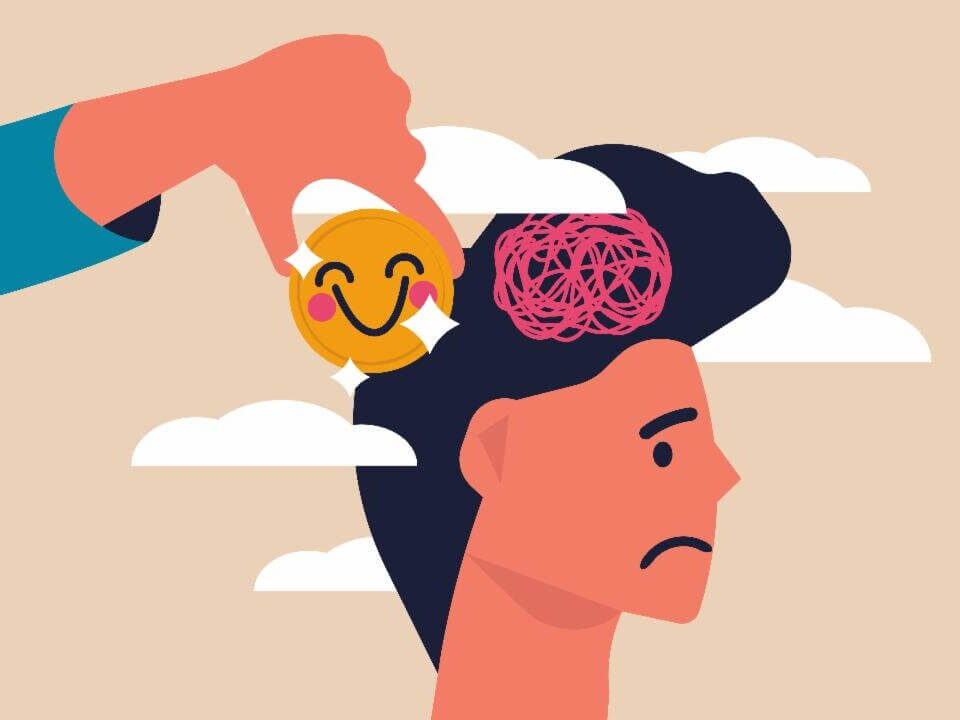
Researchers from Massachusetts General Hospital (MGH) have identified a set of modifiable factors from a field of over 100 that could represent valuable targets for preventing depression in adults. In a study published in The American Journal of Psychiatry, the team named social connection as the strongest protective factor for depression, and suggested that reducing sedentary activities such as TV watching and daytime napping could also help lower the risk of depression. "Depression is the leading cause of disability worldwide, but until now researchers have focused on only a handful of risk and protective factors, often in just one or two domains," says Karmel Choi, PhD, investigator in the Department of Psychiatry and the Harvard T.H. Chan School of Public Health, and lead author of the paper.
January 25, 2014

CURE Childhood Cancer Org.

  griefHaven’s Founder & President – Keynote Speaker 2014 – CURE Childhood Cancer Org. – Atlanta, Georgia – Keynote Presentation On January 25, I stepped up to the podium as the keynote speaker for the amazing CURE Childhood Cancer Organization www.curechildhoodcancer.org. CURE provides funds for childhood cancer research and is there for the families while their children are going through cancer treatment and when a child does not survive. The morning of January 25 marked the beginning of some life-changing experiences for me as well, since it was the first time I had ever spoken in front of a room of parents, grandparents, and siblings whose children had all died from cancer, the same thing that took Erika from us. There were about 125 people there, and I gave a PowerPoint presentation that included education about grief, as well as the latest on the grieving brain. On Saturday afternoon, I facilitated […]
May 25, 2020

When My Dog Died

No one ever tells you that begging for a dog as an 11-year-old could affect you deeply as an adult. They just make you promise to clean up after the animal. But when Rainbow was 10, my parents moved abroad, and she came to live with me in New York. At first, she couldn’t figure out how to pee on concrete; she cried a lot, so I cried a lot. Eventually we learned how to communicate, even as she lost her vision, her hearing, her continence.
May 24, 2020

PTSD – How Fear Memories Are Formed

Using a mouse model, researchers demonstrated the formation of fear memory involves the strengthening of neural pathways between two brain areas: the hippocampus, which responds to a particular context and encodes it, and the amygdala, which triggers defensive behavior, including fear responses. How does the brain form "fear memory" that links a traumatic event to a particular situation? A pair of researchers at the University of California, Riverside, may have found an answer.
April 24, 2020

COVID-19 and the Collective: A Mother’s Journey

When my six-year-old son was in the hospital for a brain hemorrhage, a nurse sequestered my husband and I into a tomb-like conference room with a box of tissue paper, a pitcher of water, and crackers. I thought, This is where they put parents of dying children. Earlier, pacing the hall outside of the Pediatric Intensive Care Unit, my husband, Lee, had yelled, "Fuck!," hoisting his arms in the air and looking up at some invisible God. I imagine we looked like two inmates wandering a prison's corridor, trapped, afraid, and desperate to escape.
September 26, 2016

Photos of the 2016 Heart to Heart Gala Page

  Photos from the 2016 Heart to Heart Gala Page Congratulations to our award winners! Billy Grubman, 2016 Peace of Heart Award Patty Grubman, 2016 Peace of Heart Award Anne Roberts, 2016 Heart to Heart Award & Mitchell Roberts Neiman Yearly Grant Fund Award Denise Mandel, 2016 Heart to Heart Award Sharon Lusk, 2016 Heart to Heart Award        
October 20, 2020

Let This Darkness Be a Bell Tower

Quiet friend who has come so far,
feel how your breathing makes more space around you. Let this darkness be a bell tower and you the bell. As you ring,
what batters you becomes your strength. Move back and forth into the change. What is it like, such intensity of pain? If the drink is bitter, turn yourself to wine.
May 26, 2020

How Professionals Can Deal With Families When End Of Life Is Imminent

My question is about anticipatory grief, the distress that family members can feel when a loved one is receiving end-of-life care. I work in a palliative care unit of a large hospital, and we often have families who are overwhelmed with the reality of the patient’s impending death, to a point that they can’t take in the message that further treatment is medically futile–no amount of heroic interventions can restore the person to health, but only prolong the patient’s suffering. Almost always we can control the patient’s pain,
June 21, 2020

Loneliness Alters Your Brain

Social media sites aren't the only things that keep track of your social network -- your brain does, too. But loneliness alters how the brain represents relationships, according to new research published in JNeurosci. A brain region called the medial prefrontal cortex (mPFC) maintains a structured map of a person's social circles, based on closeness. People that struggle with loneliness often perceive a gap between themselves and others. This gap is reflected by the activity patterns of the mPFC. Courtney and Meyer used functional magnetic resonance imaging to examine participants' brain activity while they thought about the self, close friends, acquaintances, and celebrities.